
New Zealand’s Largest Wood Pellet Manufacturer
We started with a vision that New Zealand’s forestry residue could power its industries. Two decades later, we’re producing over 200,000 tonnes a year, supplying manufacturers, schools, government facilities, and homeowners across the country, with ongoing export programmes across Asia and Europe
Our Story
We were founded in 2003 by people who saw what others missed. New Zealand’s sawmilling and forestry sectors were generating enormous volumes of high-quality wood residue, and that residue, properly processed, could replace fossil fuels in boilers and heating systems across the country.
Our founders were among the first in New Zealand to commercialise wood pellet manufacturing at scale. They understood both the forestry industry and the energy market, and built a business that sits squarely at the intersection of both.
Today we are New Zealand’s largest wood pellet manufacturer, operating from our purpose built plant in Taupo, geographically central to the North Island’s plantation forestry region. We supply commercial, industrial, institutional, and residential customers across New Zealand, as well as export markets in Asia and Europe.
Export
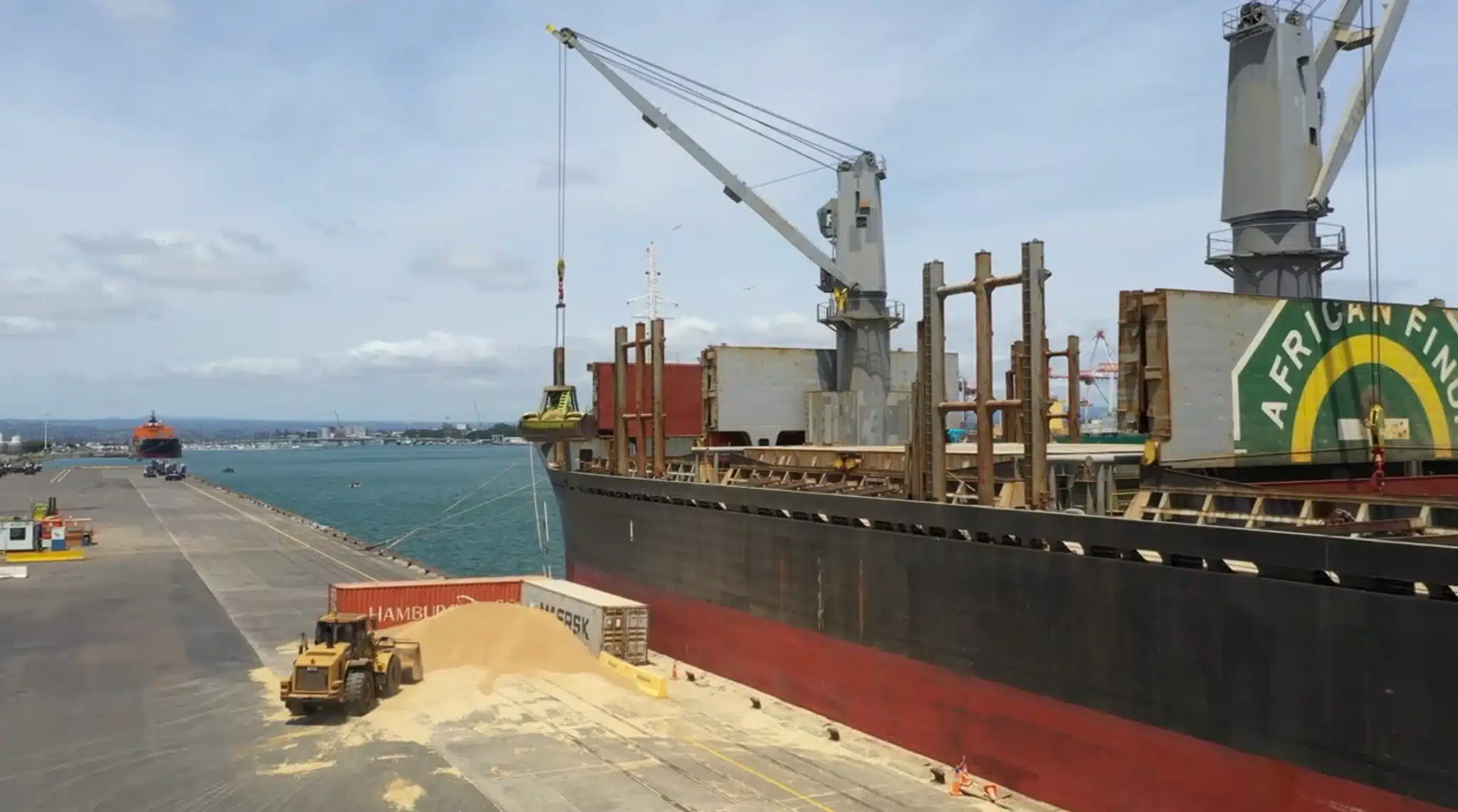
We export containerised and bulk wood pellets through the Port of Tauranga to customers in Asia and Europe, in the format to suit your requirements. Our products meet or exceed strict international quality standards.
Residential Supply
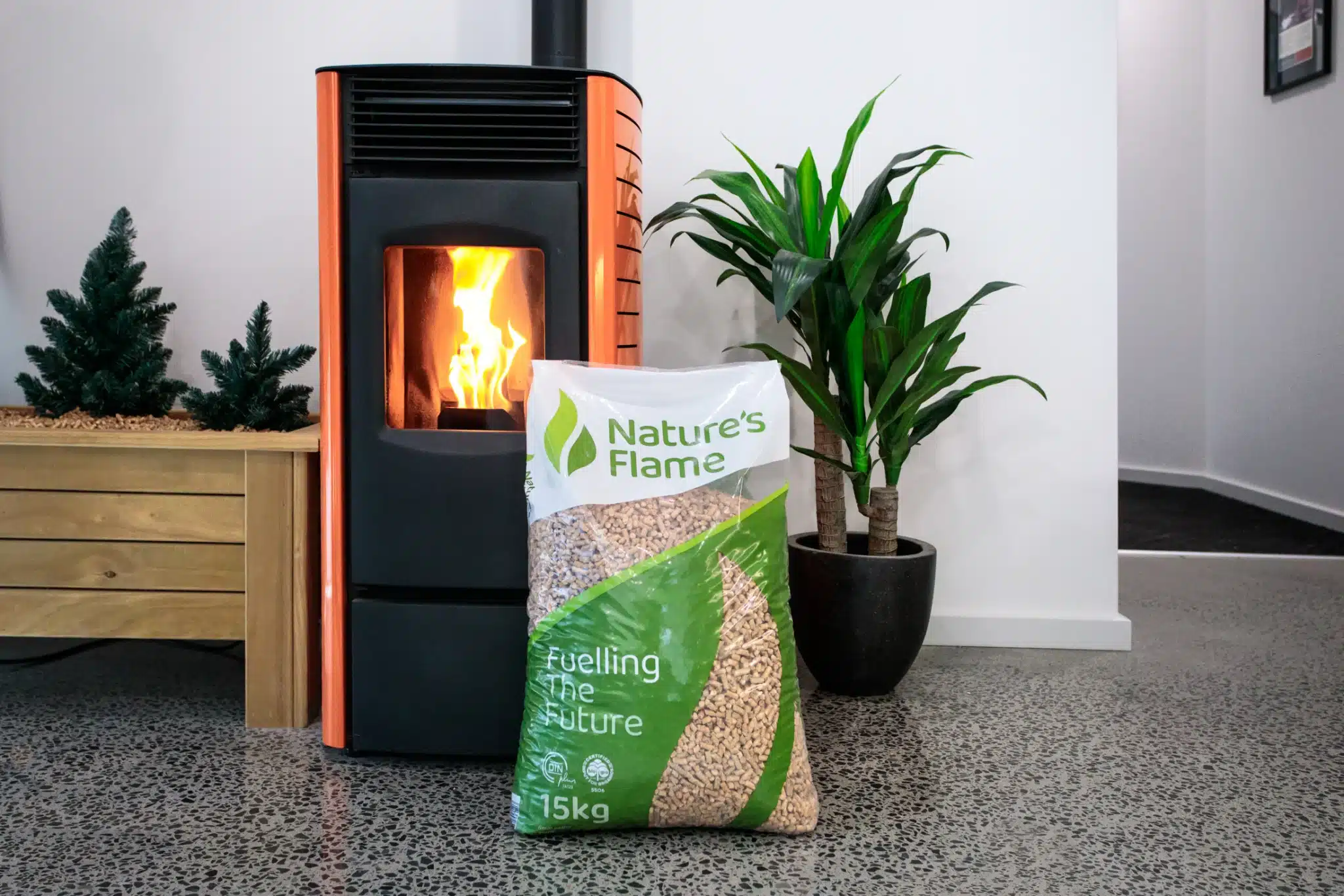
Wood pellets are available in 15kg bags through retailers across New Zealand, including Mitre 10, Bunnings, and independent retailers, for use in residential fires and boilers. Our pellets are DINplus A1 certified.

Industrial Supply
New Zealand’s large-scale heat users are facing real pressure, and supply is getting harder to guarantee. We supply bulk wood pellets on long-term contracts to manufacturers, dairy processors, hospitals, schools, and government facilities. Our pellets are independently certified to international I2 specification, as well as FSC and DINplus.
How We Operate
We Manufacture
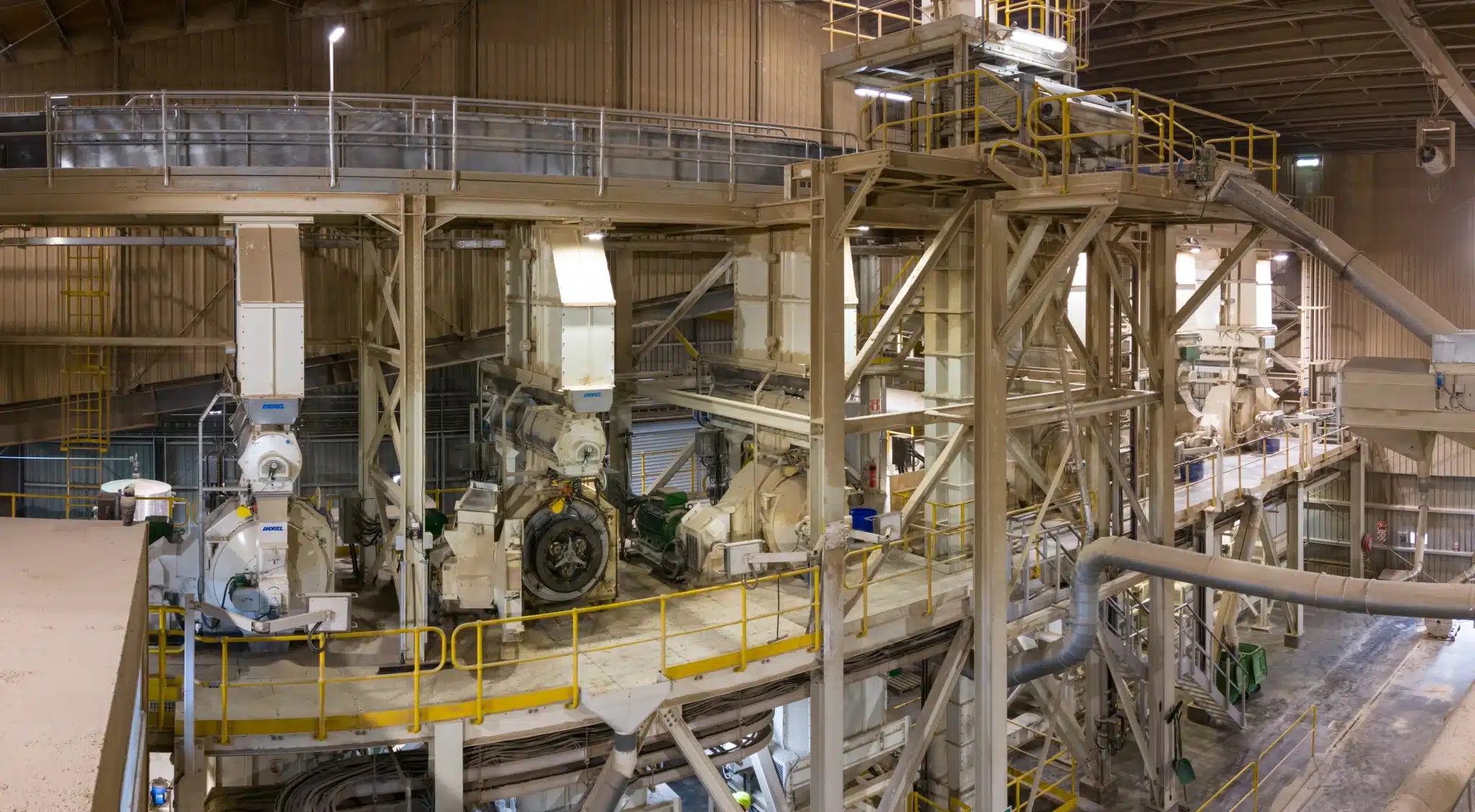
Every tonne comes from our Taupō plant, built in the heart of New Zealand’s forestry industry since 2010 We use geothermal energy to dry our wood fibre, giving our pellets one of the lowest embedded carbon footprints of any manufacturer in the world. We control the process from raw fibre to final delivery.
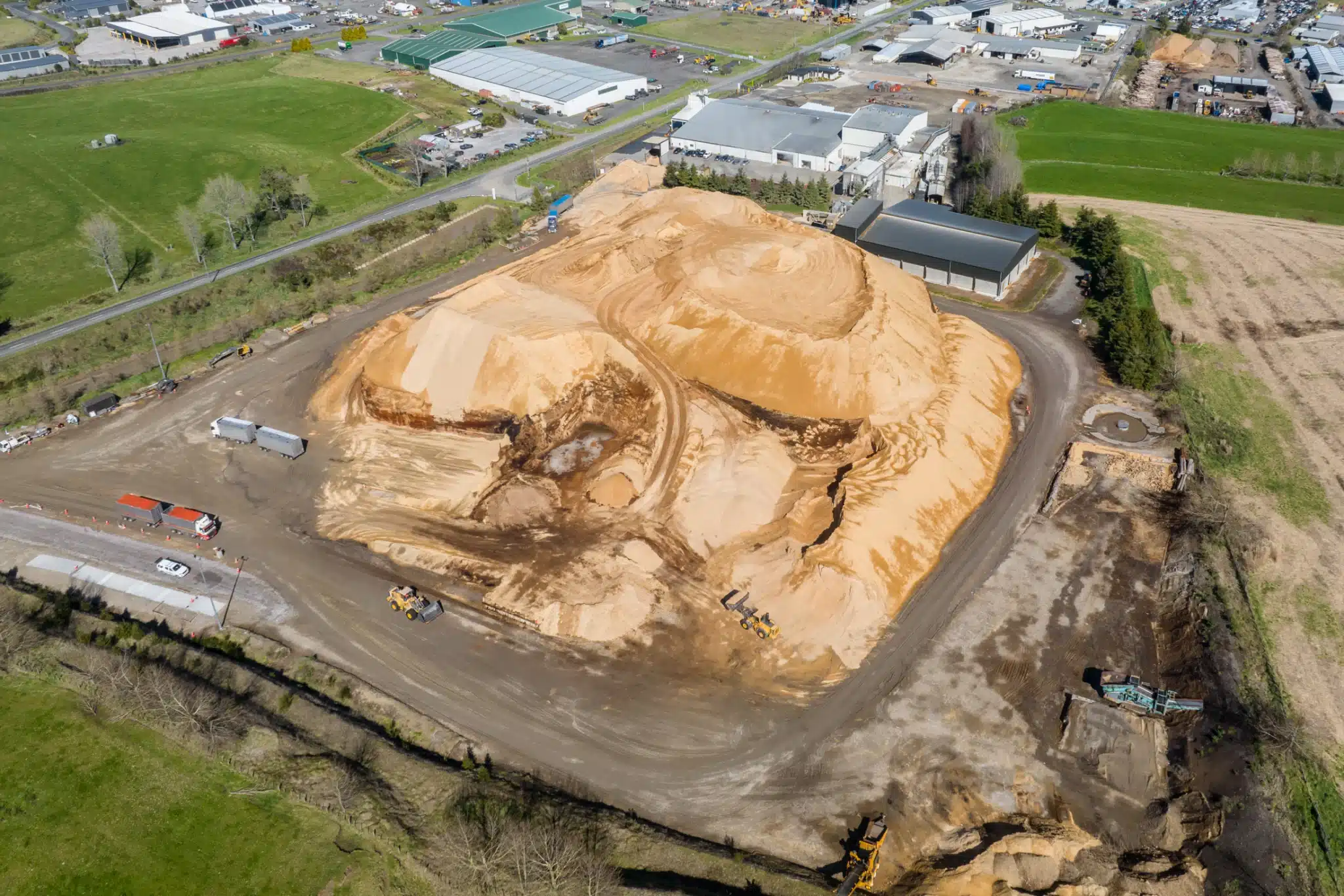
Quality and Capacity
We don’t stand still. Recent investments include Andritz presses, new hooding machines, and ongoing plant efficiency improvements, all focused on improving consistency, reducing environmental impact, and growing capacity.
Real Sustainability
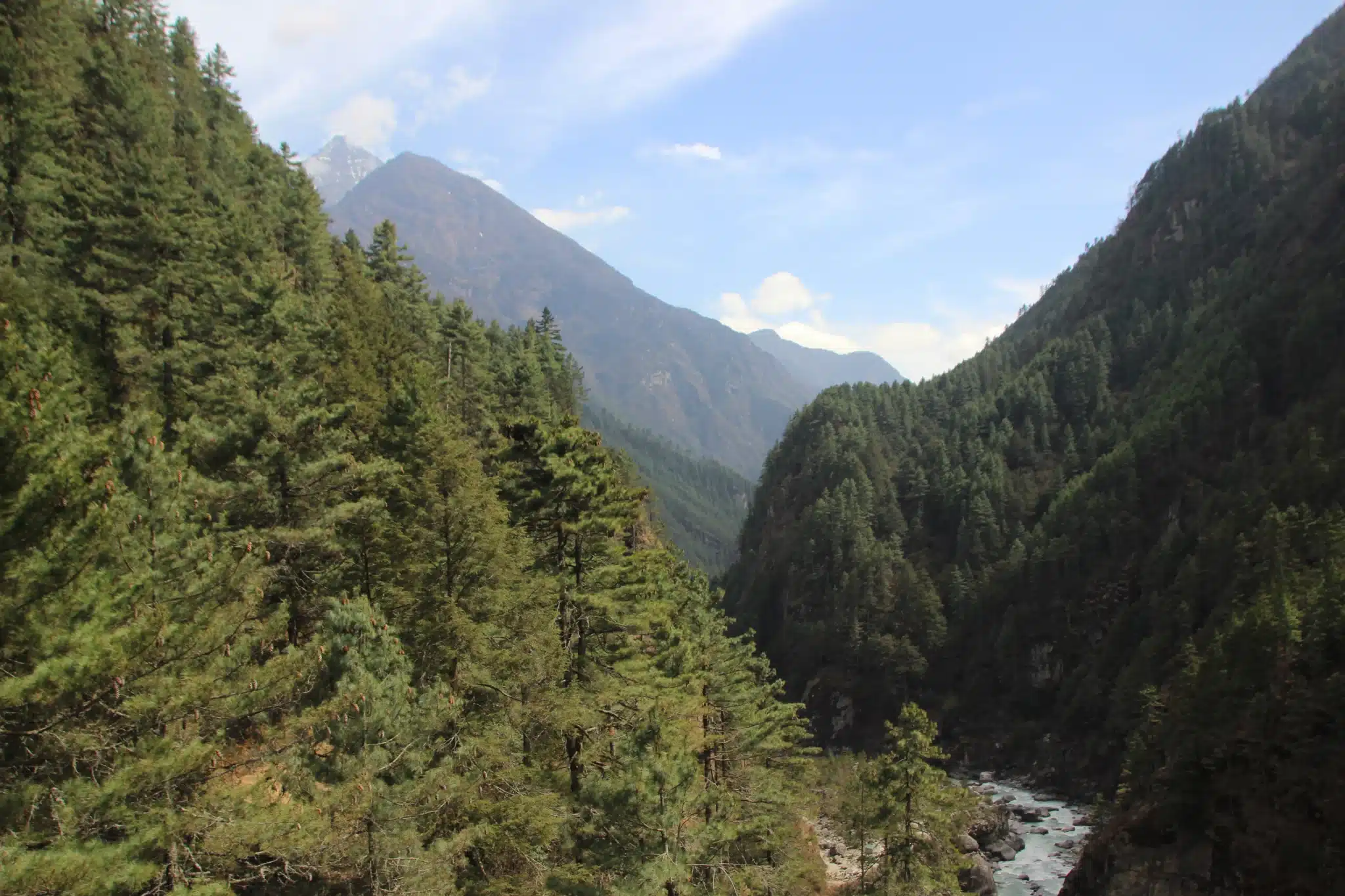
We use forestry residue, some of which would otherwise go to landfill. We hold FSC Chain of Custody Certification. We’re continuously reducing transport and packaging impacts. Our ash is BioGro-certified as an organic fertilizer input. Sustainability is built into the product, not added as an afterthought.
Talk to Our Team
Our team can provide access to engineers, procurement specialists, and energy advisors who’ve worked through large-scale fuel transitions with some of New Zealand’s biggest operations.
We can help model the financials, navigate the funding, and answer the hard questions your board, your commercial lead, and your plant team will ask. Twenty years of doing this, in New Zealand, for New Zealand businesses.

Key Milestones

FAQ
Questions & Answers