Quality Guaranteed

Contract ready Accredited NZ wood pellet
Our wood pellets are manufactured to international industrial standards and independently assessed every year. If you need a fuel specification you can put in writing, ours is already there. Contractable, Guaranteed.
IWPB Industrial I2 Specification
The IWPB I2 specification is the global benchmark for large-scale industrial pellet buyers. Our pellets meet it across every parameter that affects real-world boiler performance: calorific value, moisture content, ash content, mechanical durability, and particle size. If your plant runs a pellet boiler, this is the spec your operations team will want to see.
DINplus A1 Certification
Our wood pellets carry the DINplus class A1 certification, Europe's leading standard for premium pellet quality. DINplus involves independent sampling and on-site audit visits, and is internationally recognized as a specification reference in commercial supply contracts. This is the certification that matters most to demanding international buyers.
close up female engineer hand controling robot arm welding machine industrial 4.0 modern factory background,smart female engineer inspect quality control in factory
New Zealand industry standard third party audit
Every year, we're independently assessed by the Bioenergy Association of New Zealand under their Wood Fuel Supply Accreditation Scheme. This is not a self-declared standard. It's a third-party audit confirming we consistently deliver the product specification we promise. Learn More
International Manufacturing Standards
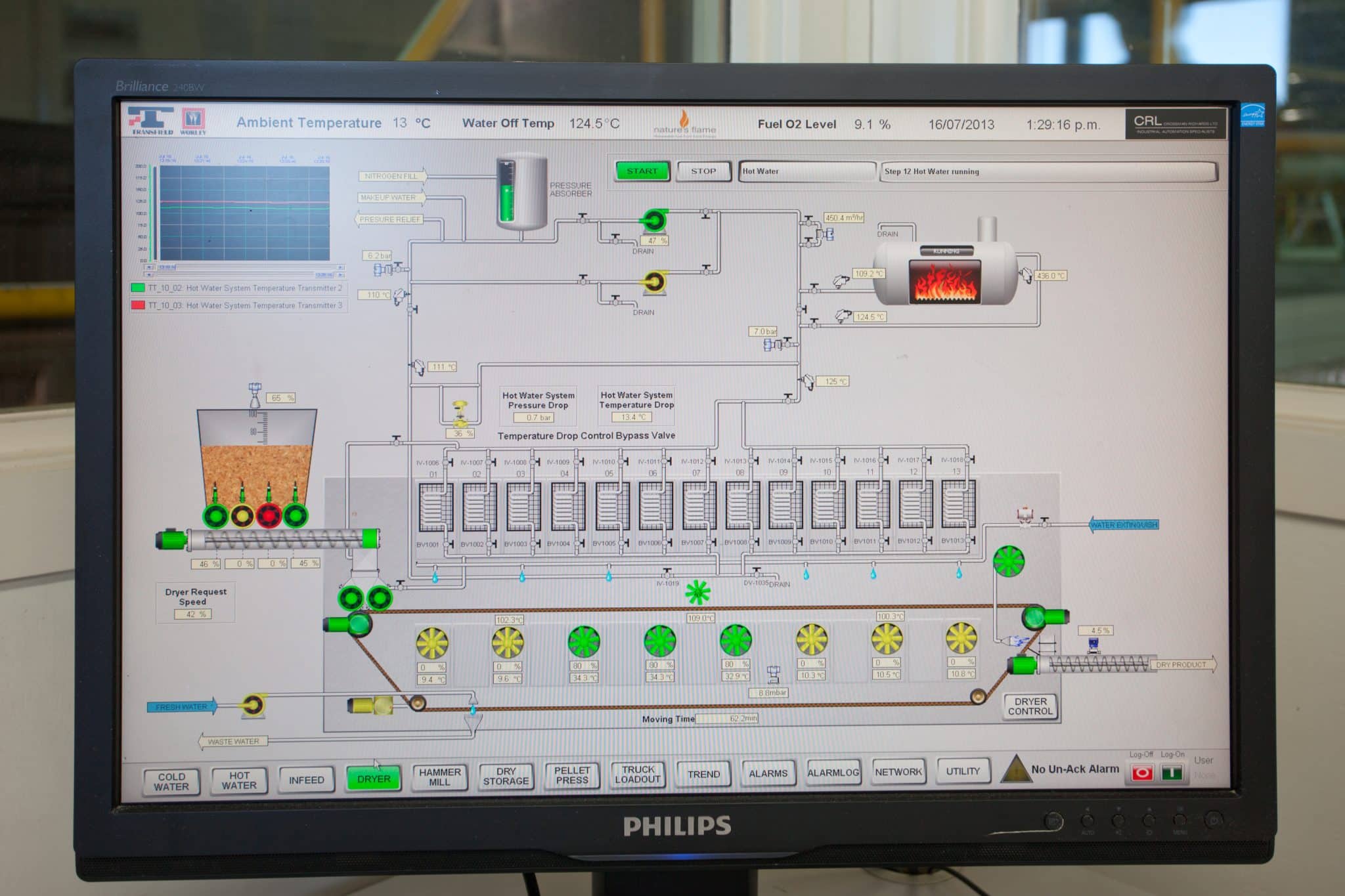
We purpose built a facility in Taupō that goes further than just the basics, we built a world class facility to ensure not only that our production facility will stand the tests of time, but also to ensure we consistently produce quality wood pellets, a consistent heat and steam source for your plant.
Our pellets are held together by natural lignin, released under high pressure extrusion. No glues. No additives. No chemicals that compromise your boiler warranty or your organic certification, just 100% wood fibre with proven Kiwi knack. We also dry our wood fibre using geothermal energy, making our pellets among the lowest embedded carbon fuel products in the world. That’s not a marketing claim. It’s a manufacturing fact.
Sustainability Certifications
BioGro Certified
Our wood pellets and combustion ash are certified as an organic input by BioGro New Zealand. The ash produced by burning our pellets is certified safe, non-GMO, and free from prohibited synthetic chemicals, so organic producers can use it without risking their certification.
The ash is rich in potassium and can be applied directly to agricultural land as a soil amendment or fertiliser. It’s a resource, not a disposal problem.

FSC Certified
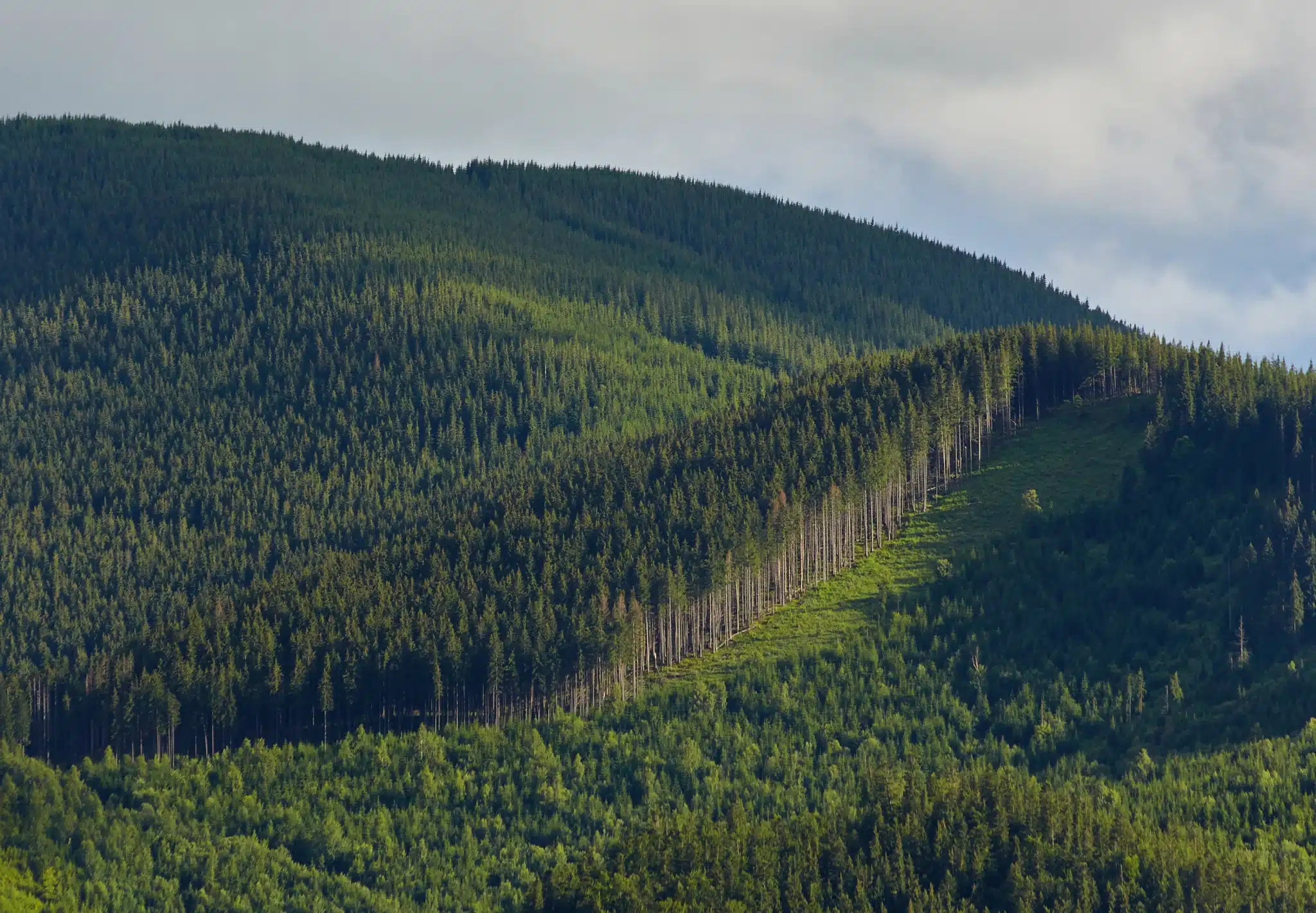
All our wood pellets are made from timber sourced from Forest Stewardship Council (FSC) accredited plantations. FSC is a globally recognised, independent system ensuring forest products come from responsibly managed forests, covering environmental, social, and economic standards including protections against child labour and exploitative practices.
We hold FSC Chain of Custody Certification, providing a verified, audited trail from tree to pellet. This gives buyers confidence our pellets aren’t contributing to deforestation. Our product is a true forestry residue, supporting New Zealand’s local forestry industry and keeping these materials out of landfill.
FAQ
Questions & Answers