
The Solutions & Benefits That we Offer
Protecting the future sustainability of your business by finding alternative and renewable sources of energy and heat is crucial. Switching from fossil fuels to wood pellets is simple and can deliver numerous environmental and economic benefits to your business.
Operational Benefits
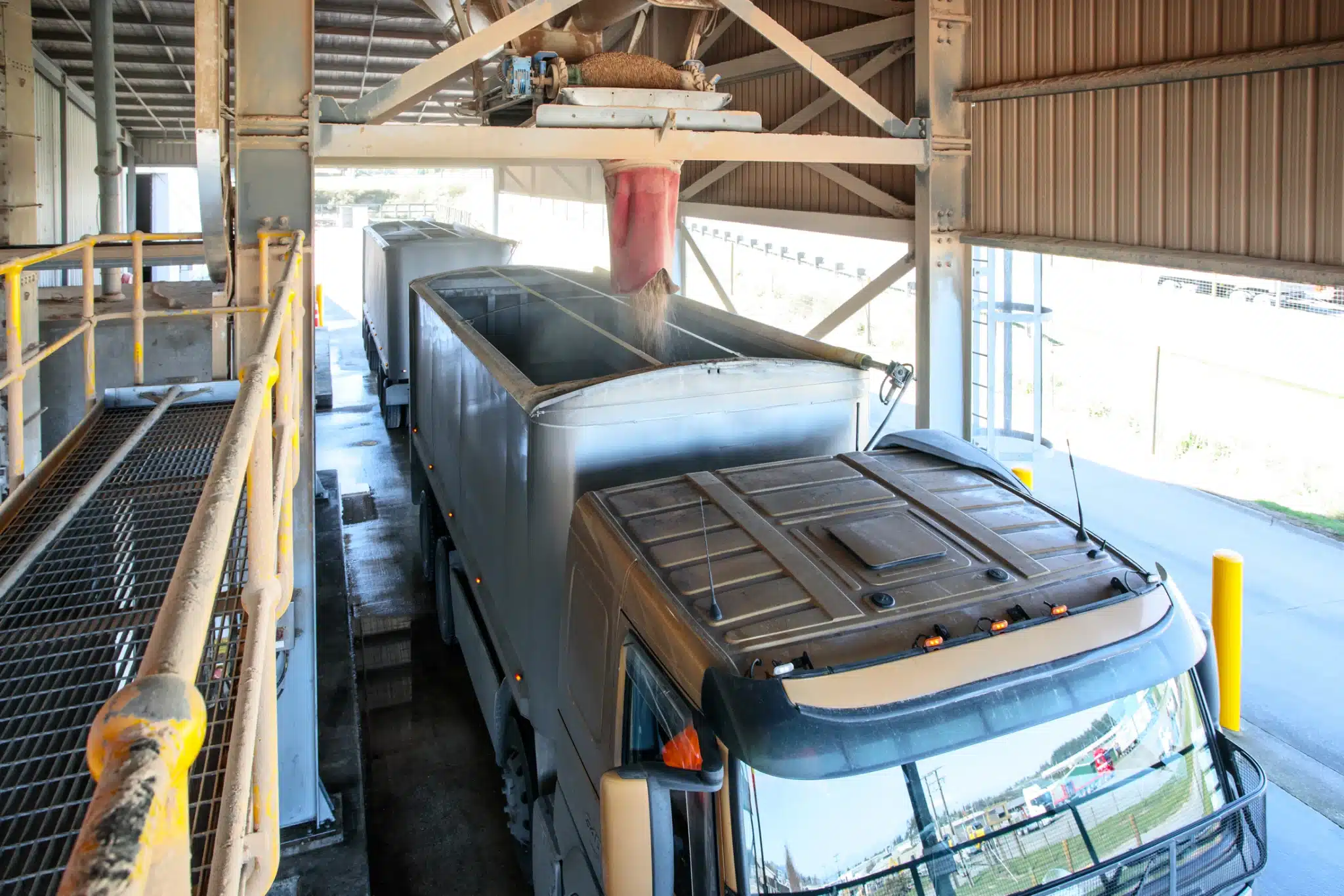
Automated, efficient, and low-maintenance. Consistent fuel quality, reduced labour, cleaner combustion, lower servicing requirements, and reliable performance across industrial, commercial, and institutional operations.
Supply Certainty
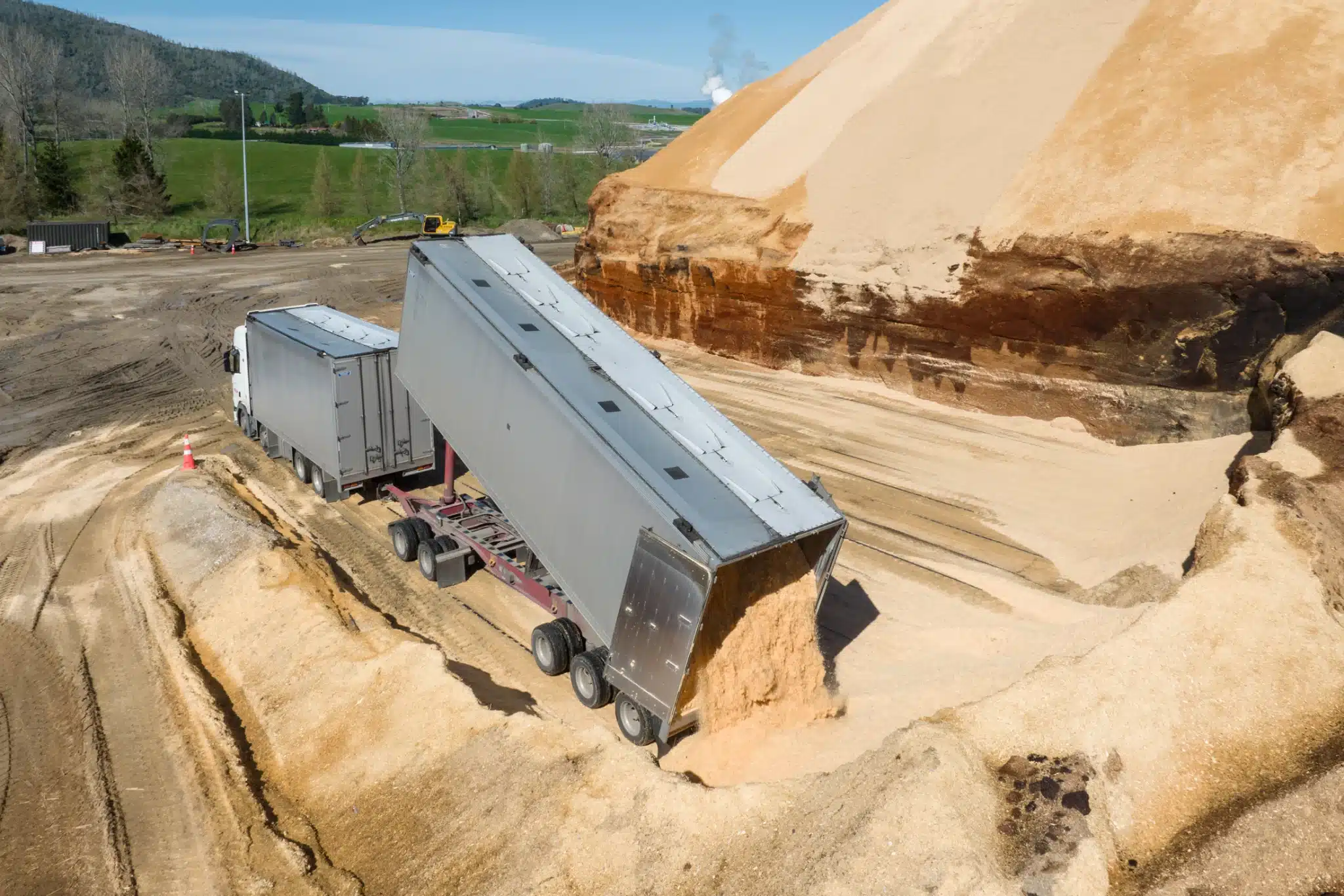
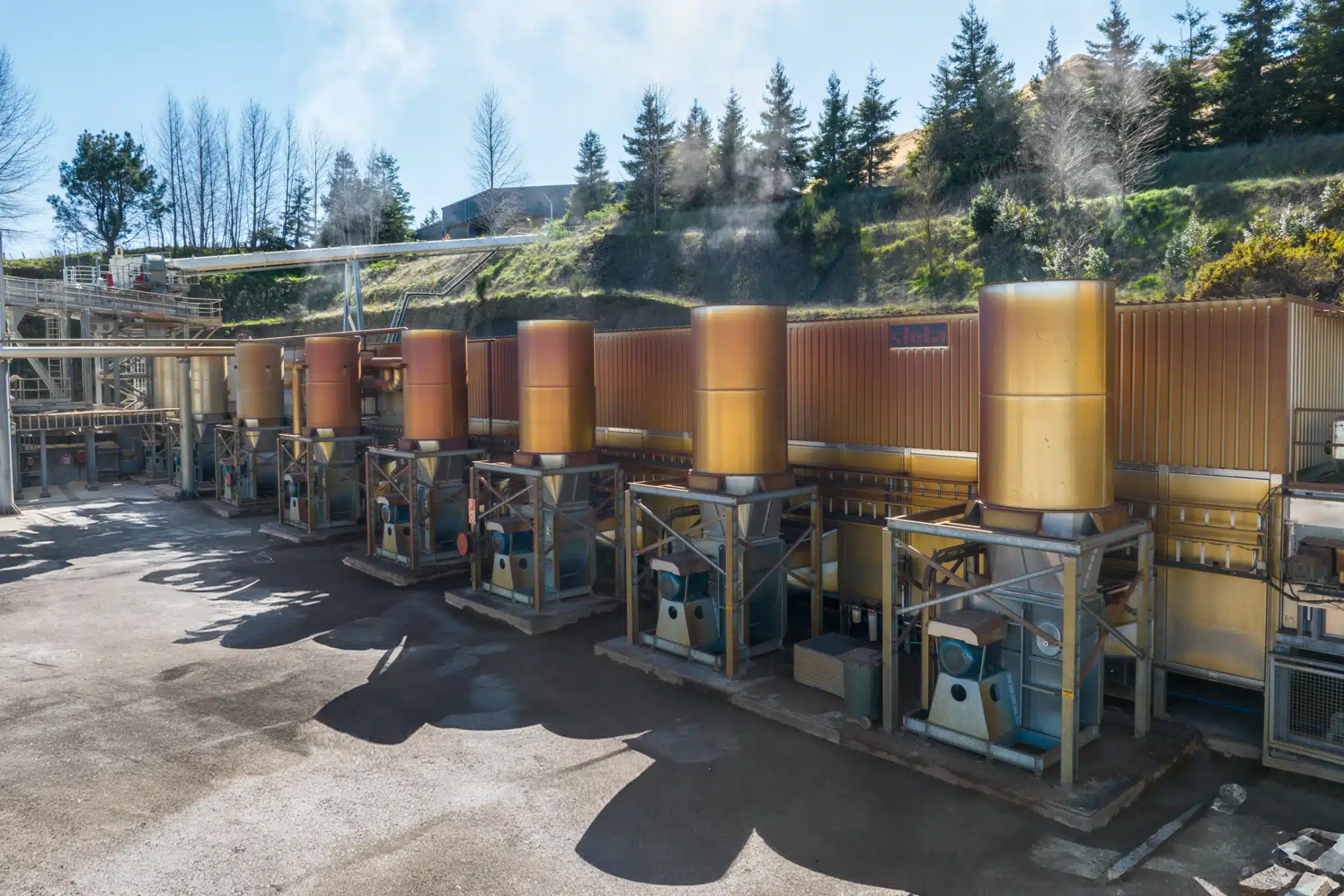
We produce up to 200,000 tonnes per year from New Zealand’s forestry region. Consistent quality, flexible delivery, long-term contracts with annual indexed pricing and renewal options, built around your operation.
Quality Guaranteed
Our wood pellets are manufactured to international industrial standards and independently assessed every year. If you need a fuel specification you can put in writing, ours is already there.
Quality Guaranteed
Our wood pellets are manufactured to international industrial standards and independently assessed every year. If you need a fuel specification you can put in writing, ours is already there.
FAQ
Questions & Answers
Yes. New Zealand has a growing and reliable supply of wood pellets, supported by its large forestry sector and increasing domestic production capacity. Wood pellets in New Zealand are produced from sawdust, shavings, and other lower value arisings generated by the timber and forestry industry. This means pellet fuel uses existing forestry by-products rather than requiring additional trees to be harvested.
The country’s plantation forestry sector produces significant volumes of these residues each year on a sustainable basis, creating a stable long-term feedstock for pellet manufacturing.
Wood pellet pricing is generally more stable than gas over the long term.
Pellets are produced locally from forestry residues, and are not reliant on convoluted, global supply chains.
At Nature’s Flame, geothermal steam is used for drying which helps reduce exposure to climatic i as well as global energy market volatility.
Long term supply agreements can also provide greater price certainty for businesses planning their energy costs.
Biomass boilers typically have a long operational life and can be refurbished or upgraded over time. At the end of their service life, many components such as steel, motors, and control systems can be recycled or replaced, allowing the system to be updated with newer, more efficient technology.
Very secure. Wood pellets are made from locally sourced forestry residues including sawdust and shavings as well as lower grade forestry arisings, generated every day by New Zealand’s timber and forestry industry. That steady by product stream, backed by the scale of NZ forestry, provides a reliable long term feedstock for pellet production. This is particularly so for Nature’s Flame, located in the Central North Island alongside a long term integrated and sustainable forestry sector. By utilizing such arisings, we support the ongoing viable forestry sector to produce their higher grade products to meet local demand such as verified structural lumber, as well as support forestry’s higher value export markets such as clear wood to USA and Europe.
A wood pellet heating system typically requires a biomass boiler, a pellet storage unit and fuel receival facility, and an automated conveyance system that feeds the boiler. Pellet delivery trucks deliver fuel directly into the storage unit, thus minimising manual handling. These systems are generally designed to integrate with existing heating infrastructure