
Operational Benefits

The Commercial Case for Switching to Wood Pellets
If you’re running on coal electricity or gas, here’s what changes when you move to wood pellets. Consistent fuel quality, lower running costs, cleaner combustion, and a supply chain you can rely on, across industrial, commercial, and institutional operations.
Price Stability You Can Budget On
Fossil fuel prices are volatile by nature, tied to global events, currency swings, and supply chain disruptions. Wood pellets are different. We offer long-term supply contracts with stable, predictable pricing, with annual PPI adjustments and pass-through fuel adjustment factors built in. You can build this into your energy budget and hold it.

Decarbonisation as a Commercial Advantage
For New Zealand exporters, decarbonisation is no longer optional. It's a requirement from international customers. Wood pellets are classified as renewable biomass and exempt from New Zealand's Emissions Trading Scheme levies. Switching directly supports your decarbonisation commitments and protects your export credentials.
Lower Total Cost of Ownership
When you factor in maintenance costs, boiler longevity, ash disposal savings, and ETS exemption, the total cost of running on wood pellets is highly competitive, a proven fact with a large conversion havingstacked up commercially from day one
default
Fully Automated Boiler Operation
One of the most common concerns when switching fuels is what it means for your day to day operations. The answer is very little.
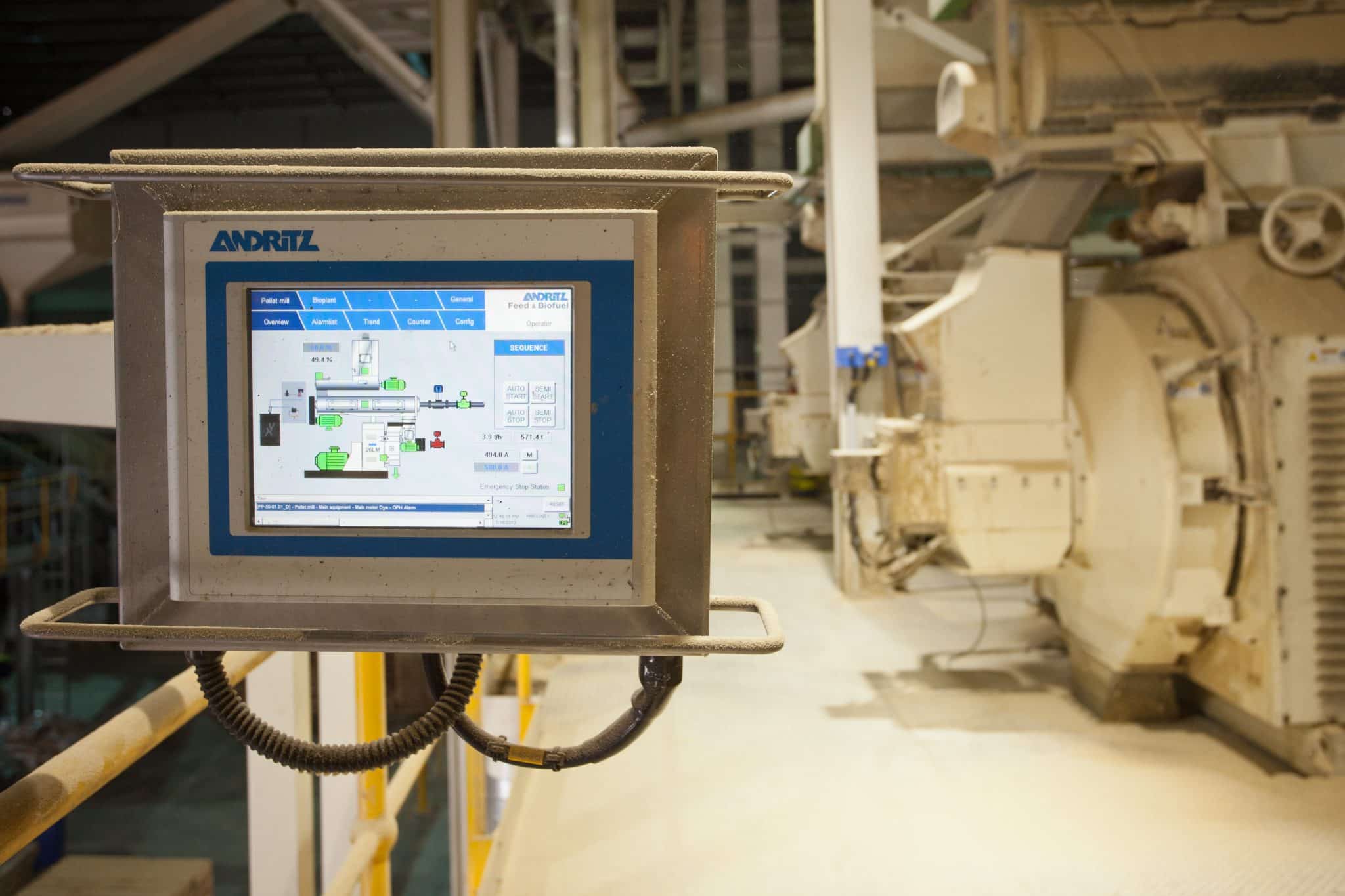
Wood pellet boilers are fully automated, meaning fuel moves from storage to combustion chamber without manual intervention. Ignition, heat regulation, heat exchanger cleaning, and ash removal are all handled by the system.
Your team won’t notice the difference in how it runs, only in what it costs and what it emits.
Consistent Output
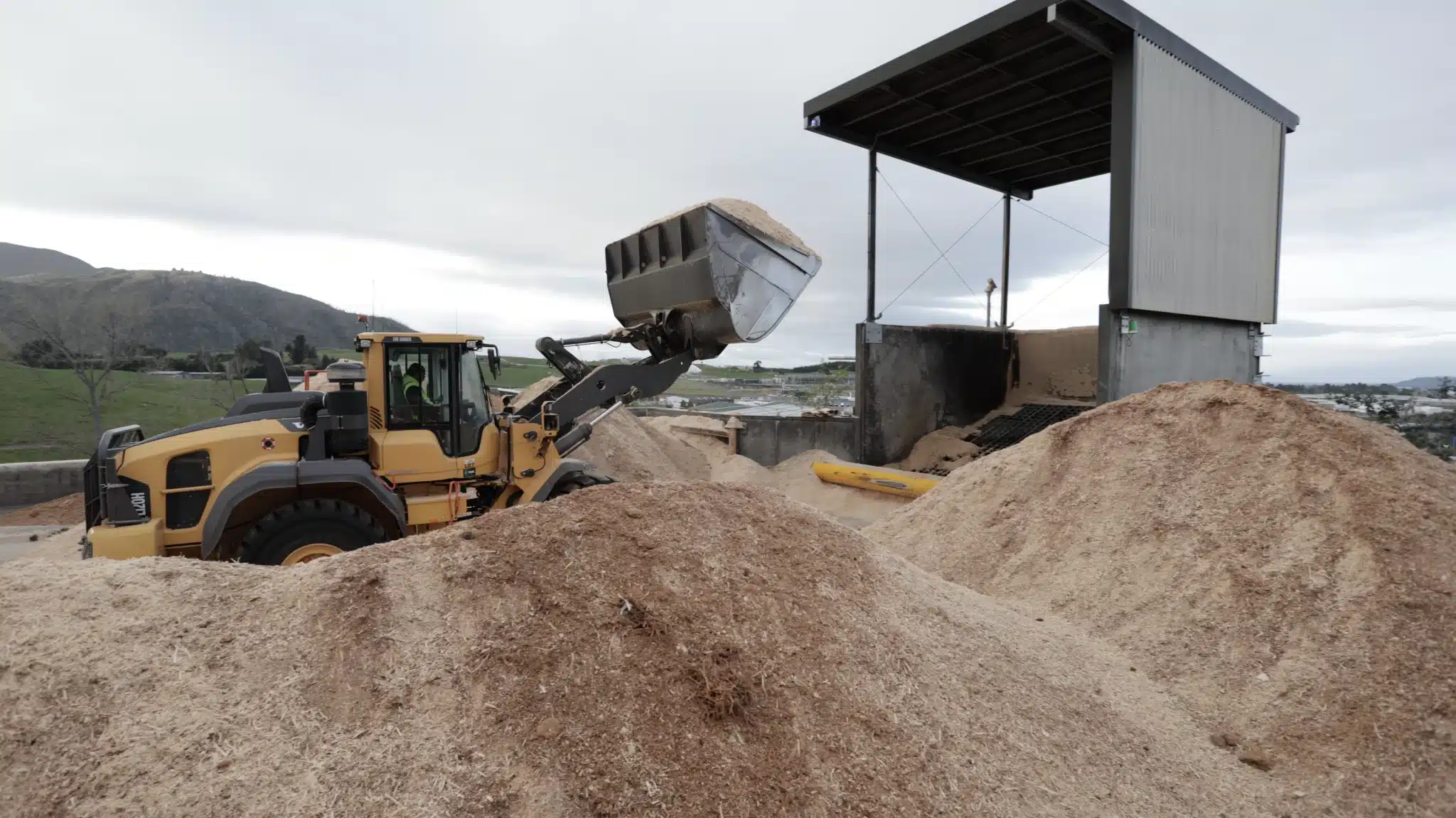
Unlike hog fuel or wood chips, wood pellets are uniform in size, moisture, and density. That means the fuel you receive performs the same every single delivery. No adjustments for wet fuel, oversized pieces, or variable heat output. Operations stay consistent, and your team spends less time managing combustion day to day.

Minimal Ash
Wood pellets burn clean, with ash at 0.5% as well as producing fewer corrosive compounds than coal or oil. That’s better for your existing equipment, less wear on heat exchangers, furnace linings, and flue systems, which means longer asset life and fewer capital replacements. Over time, that adds up to lower maintenance costs and less unplanned downtime.
Longer Boiler Life
Clean combustion means fewer corrosive compounds, less wear on heat exchangers, furnace linings, and flue systems. This all translates directly into longer boiler life and fewer capital replacements. Over time, this reduces both scheduled maintenance intervals and the risk of costly unplanned downtime across your heating infrastructure.
FAQ
Questions & Answers