
Supply Certainty

Your Energy Supply, Secured
Nature’s Flame produces up to 200,000 tonnes of wood pellets a year from the heart of New Zealand’s forestry region. If you’re running a wood pellet boiler, or thinking about making the switch, this is where your fuel comes from. Consistent quality, flexible delivery, and long-term contracts built around your operation.
1.7 Million Hectares of Fibre Security
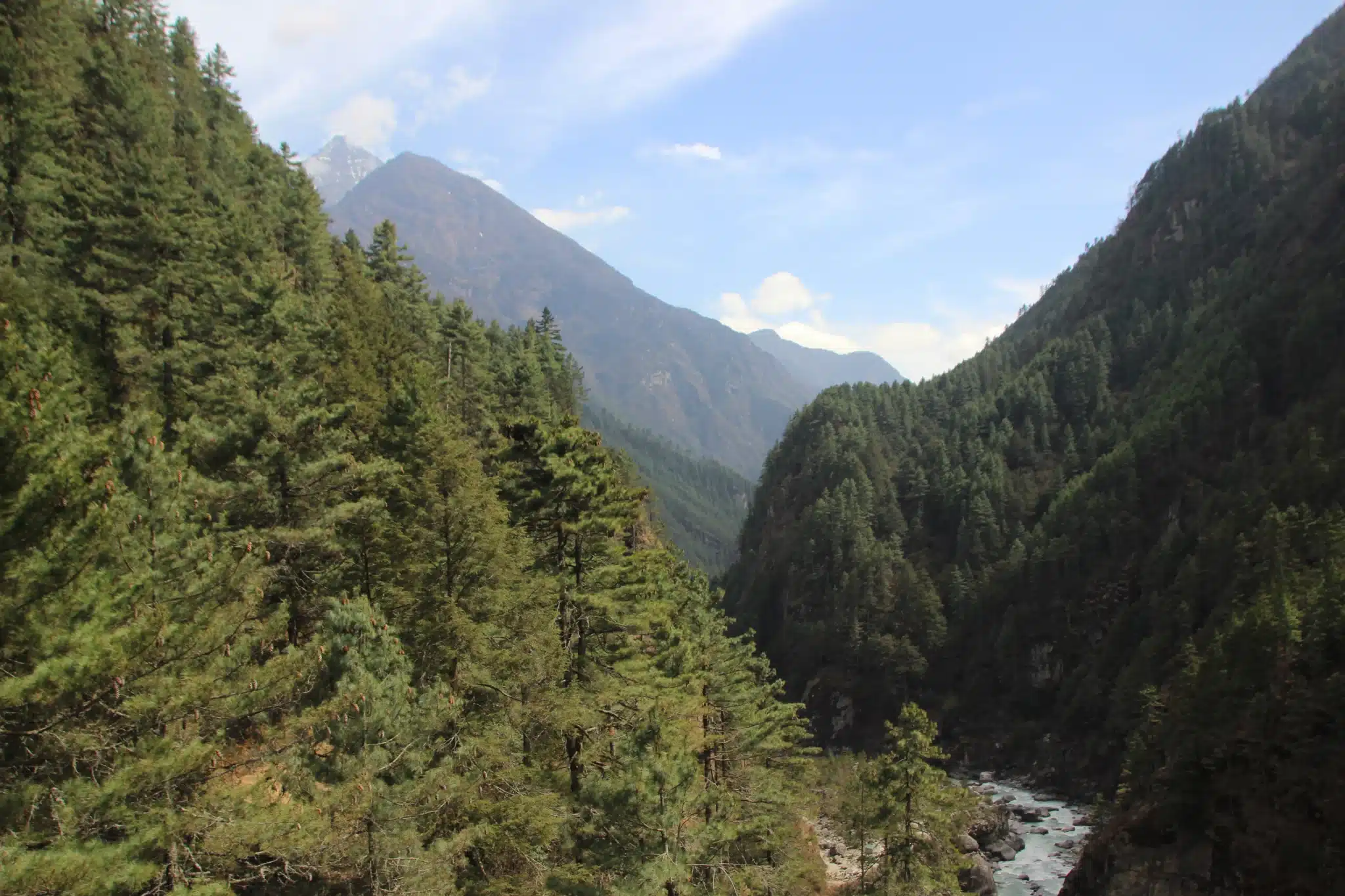
New Zealand has over 1.7 million hectares of planted Pinus Radiata, and nearly a third of it sits within direct reach of our Taupō plant. Fresh sawdust and shavings arrive daily from local sawmills under long-term contract.
We Grow With Your Demand
In 2022 we produced 80,000 tonnes. In 2023, 118,000 tonnes. By 2024 we reached 150,000 tonnes, and with our latest plant upgrades we now have capacity for 200,000 tonnes per annum, with the ability to expand to 300,000 tonnes. When your business grows, our supply grows with it.
Consistent Availability, Seasonal Flexibility
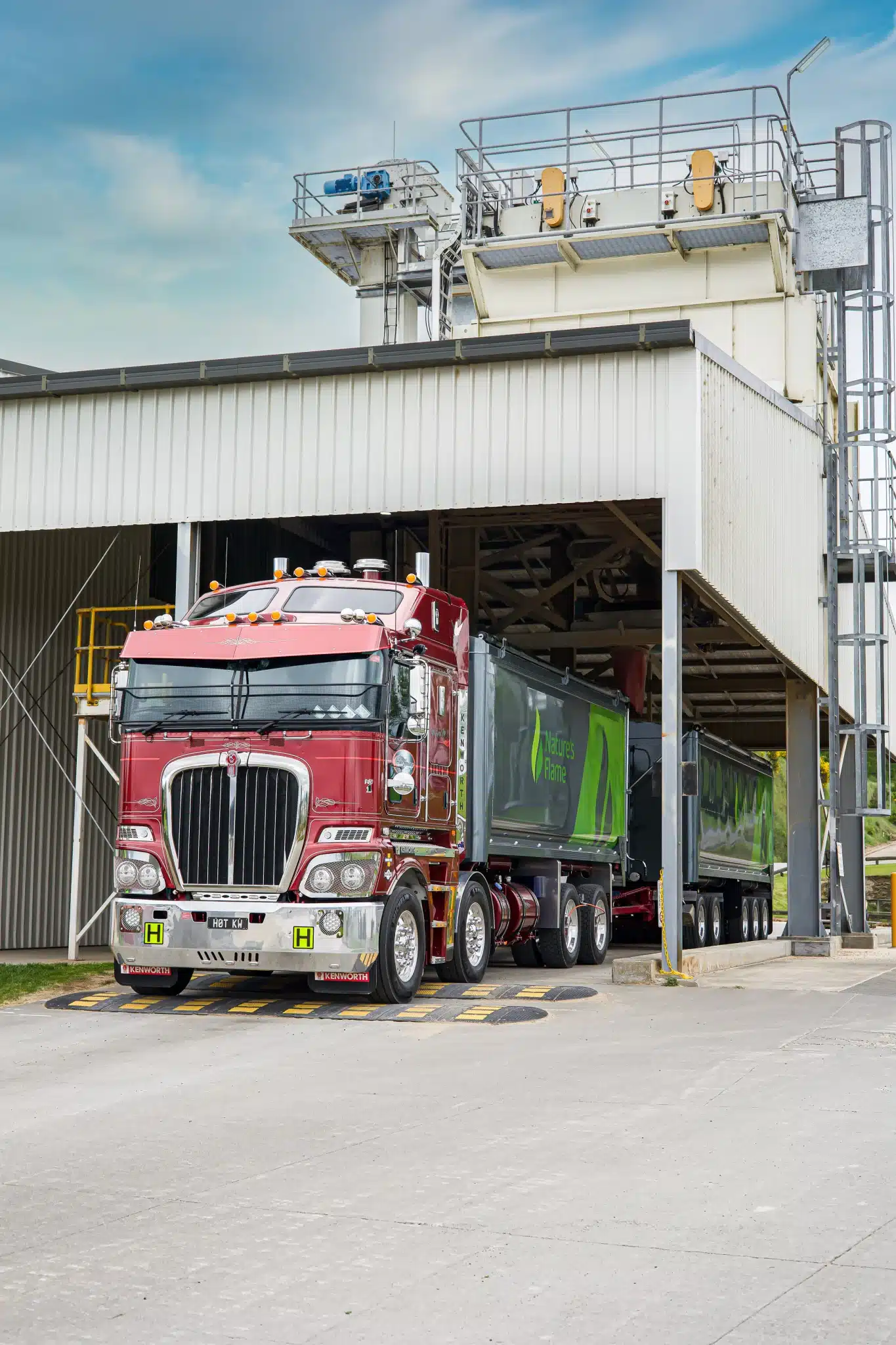
Exporting is a cornerstone of our growth strategy, allowing us to expand and consistently outpace NZ demand. It cushions our customers against their variable usage, through providing the flexibility to meet your seasonal demand patterns. This means consistent product availability today and capacity to support your future growth plans. You’re not waiting on us to build something, the supply exists now.
Bulk Blown Delivery
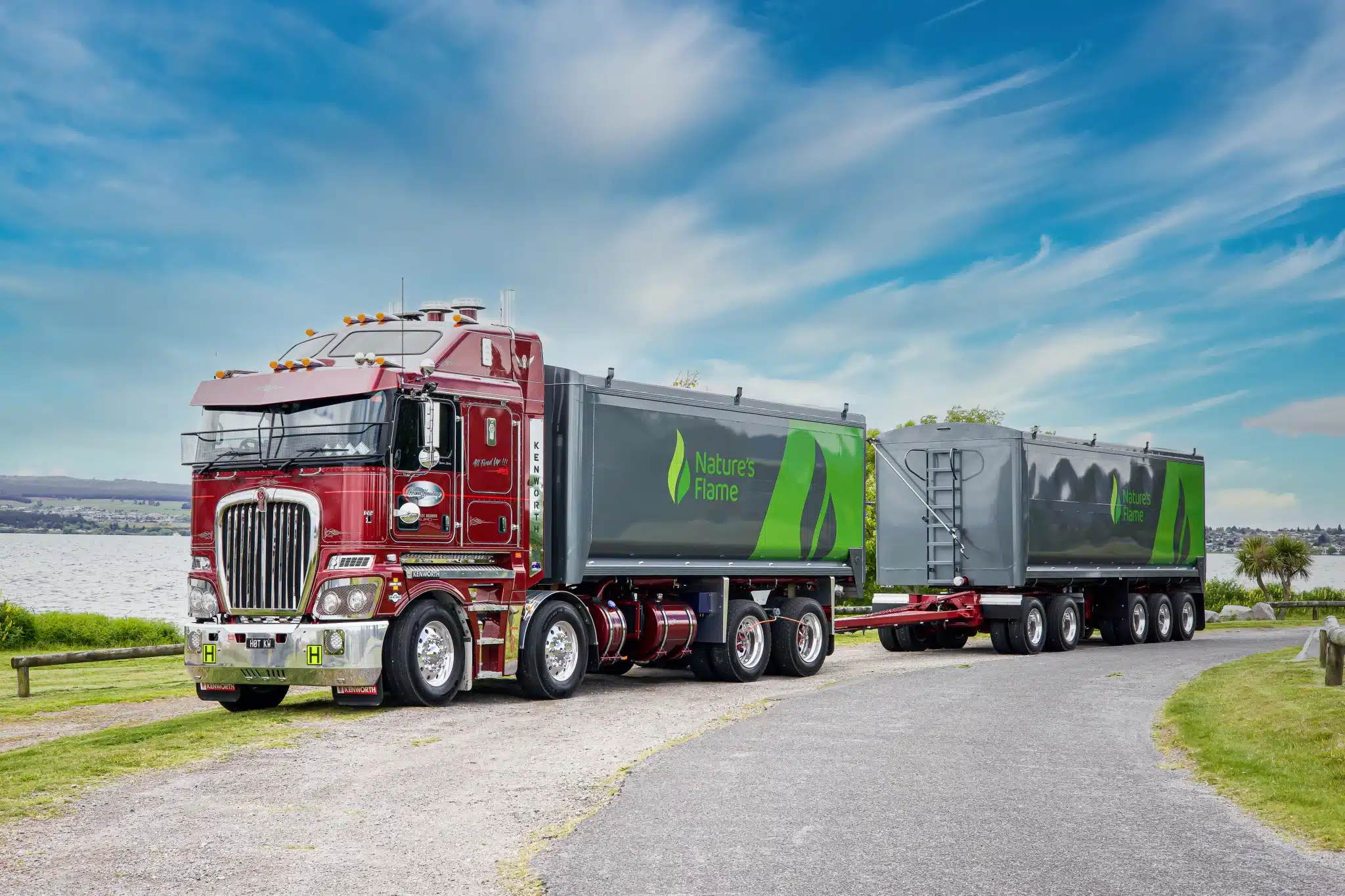
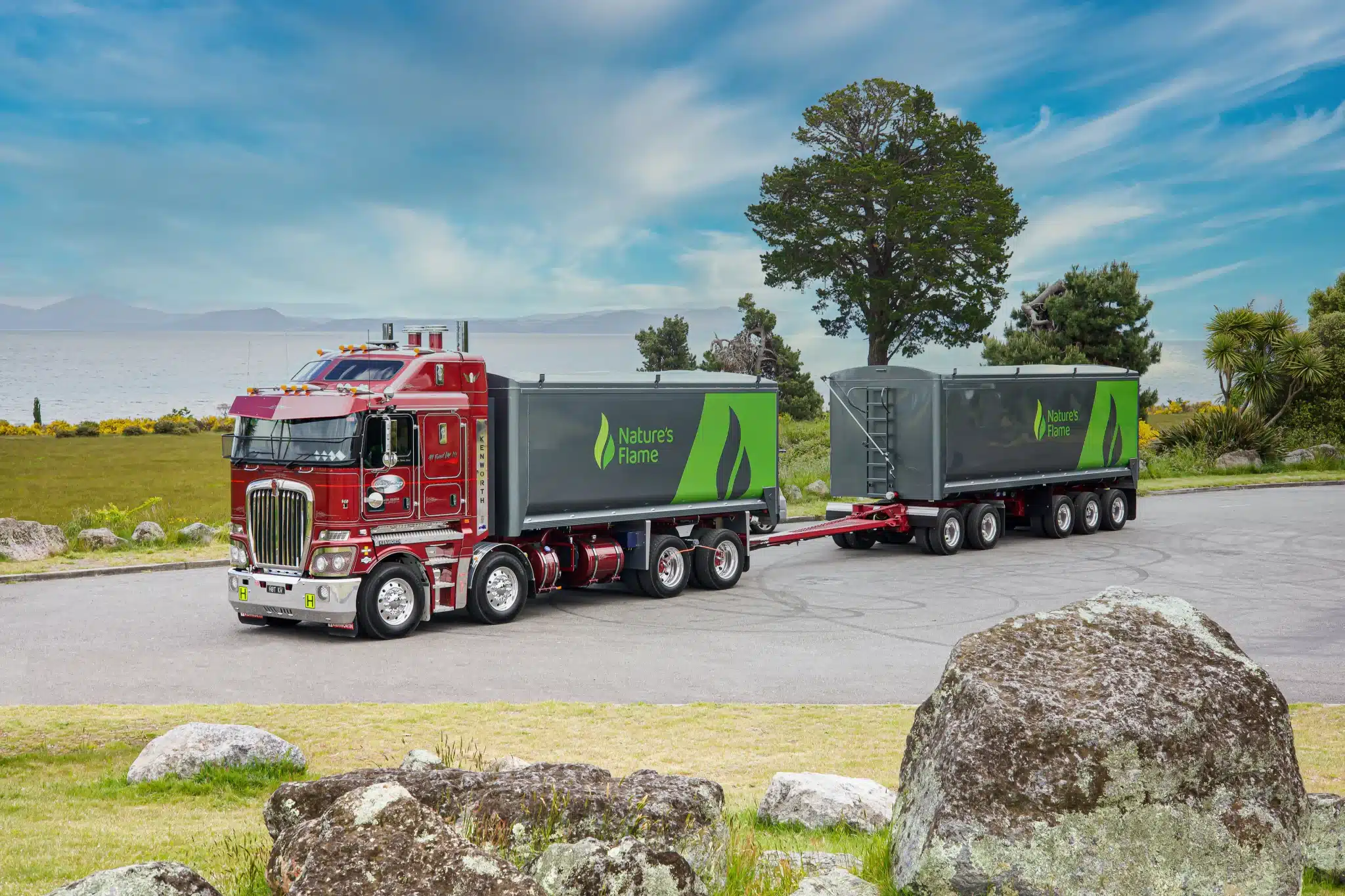
For sites with automated feed systems or high safety requirements, we pneumatically convey pellets directly into your storage through a pipe from a truck. No manual handling, no dust, no spills, and minimal disruption to your operation. Clean.
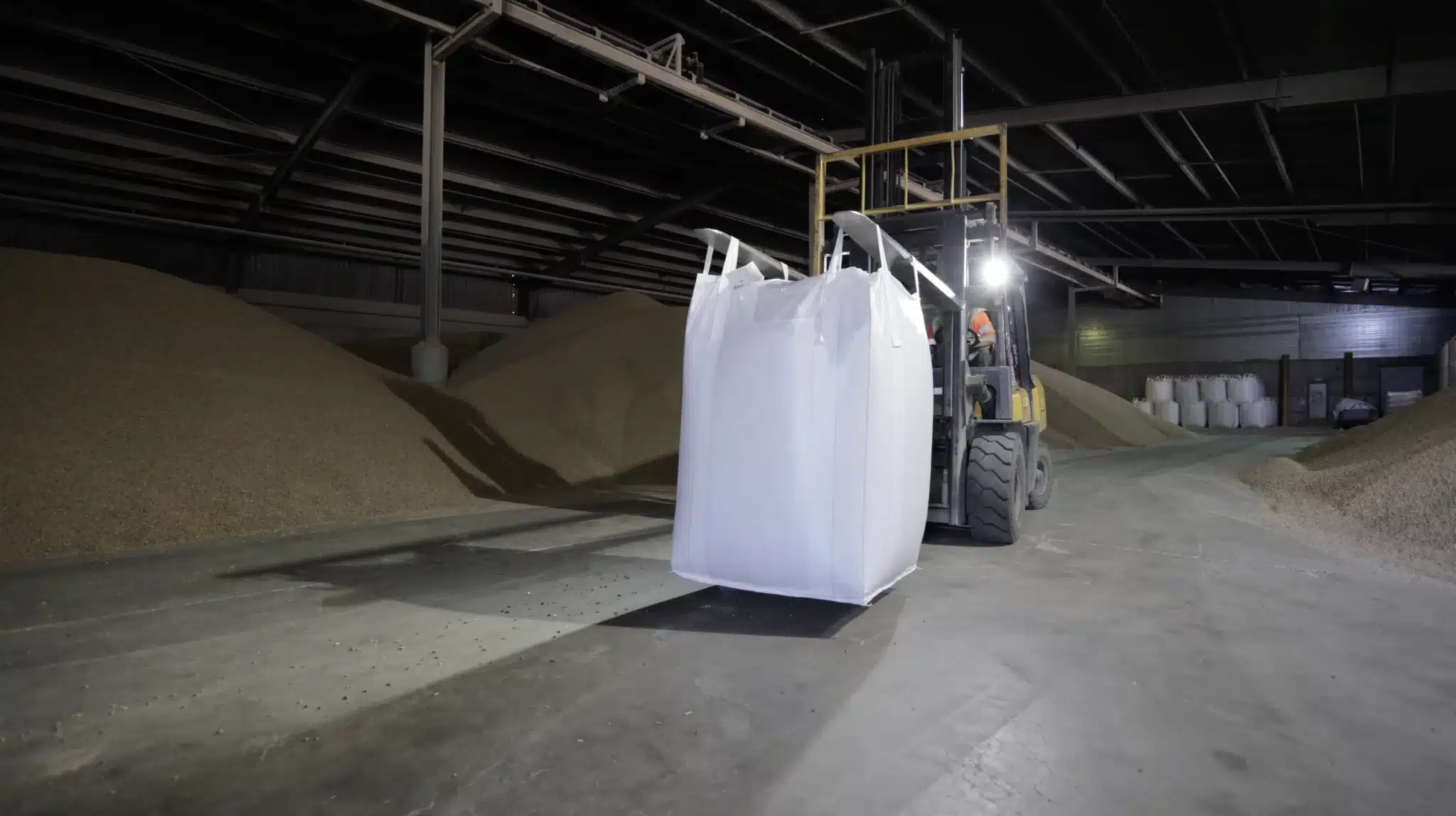
Bulk Bags
For sites that need flexibility, have low usage, or storage limitations, one-tonne bulk bags can be moved with standard forklift equipment. A clean, practical option for sites not yet set up for blown or loose bulk delivery.
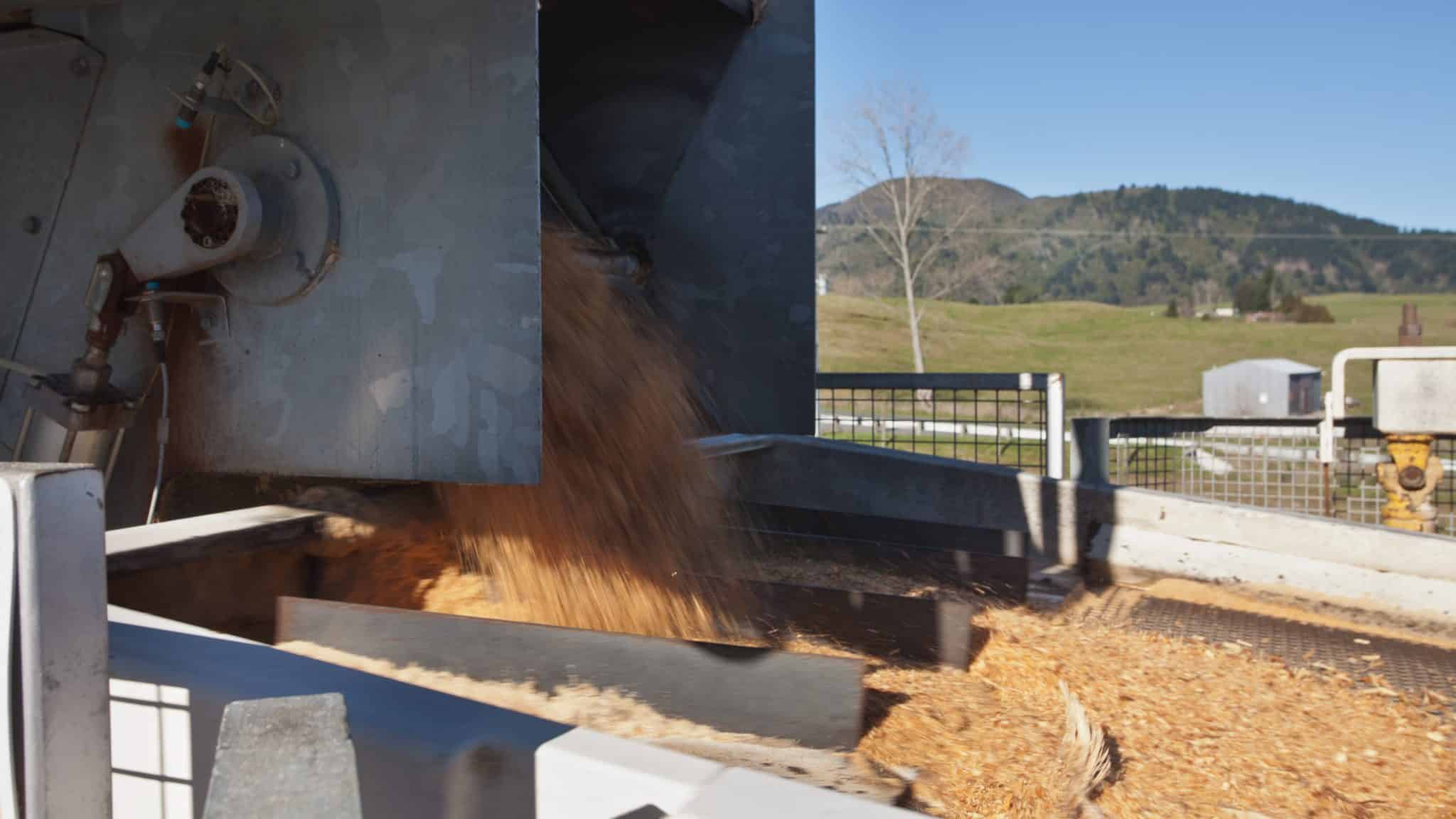
Loose Bulk Delivery
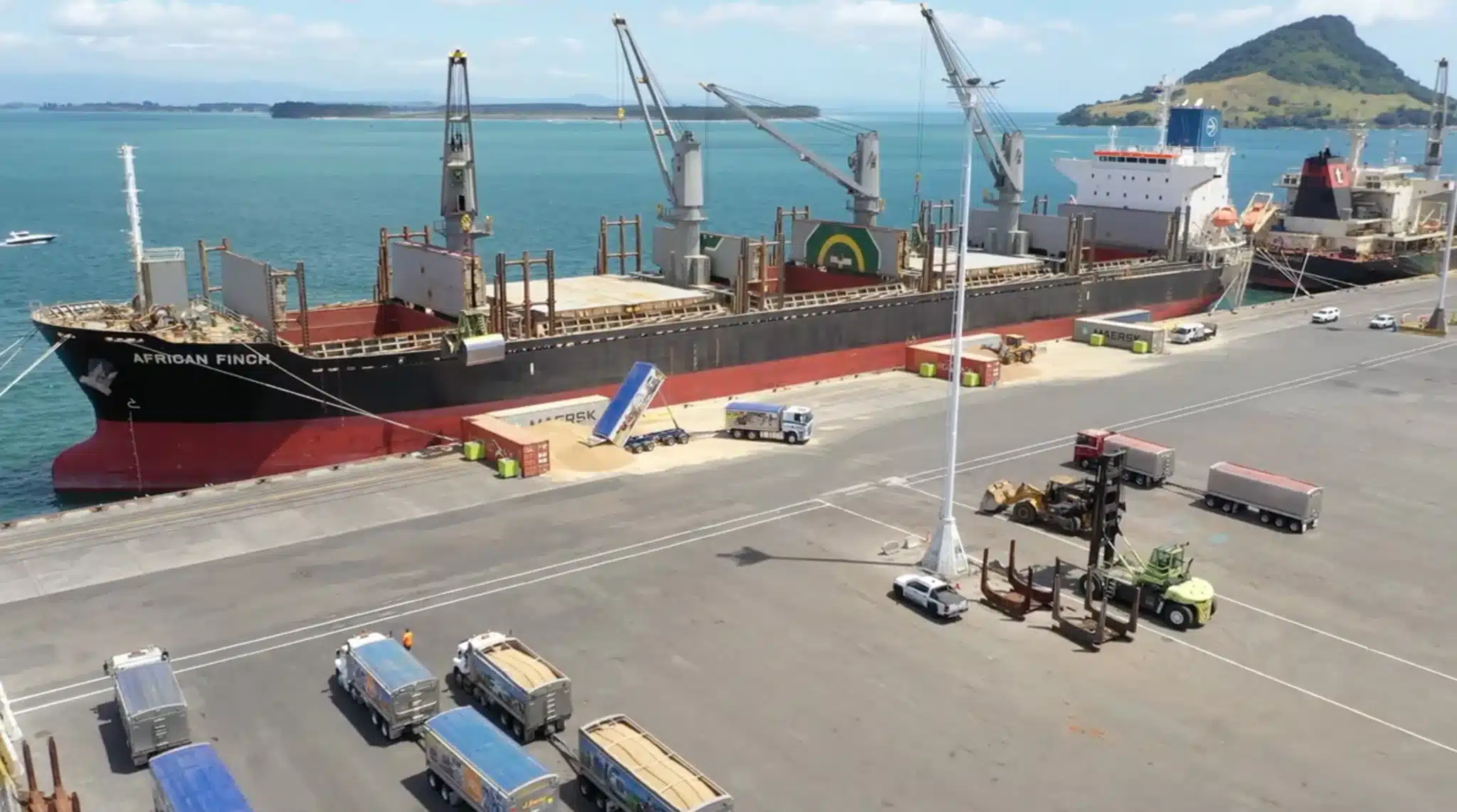
For larger commercial and industrial customers, loose bulk by truck is the most cost effective option. Our Taupo facility handles daily dispatch across New Zealand and to Port of Tauranga, with multi-point screening to guarantee contaminant-free product.
The Commercial Case for Wood Pellets
Price-stable, automated, low-maintenance, and ETS-exempt. Here’s why New Zealand’s leading manufacturers and facilities managers are making the switch.
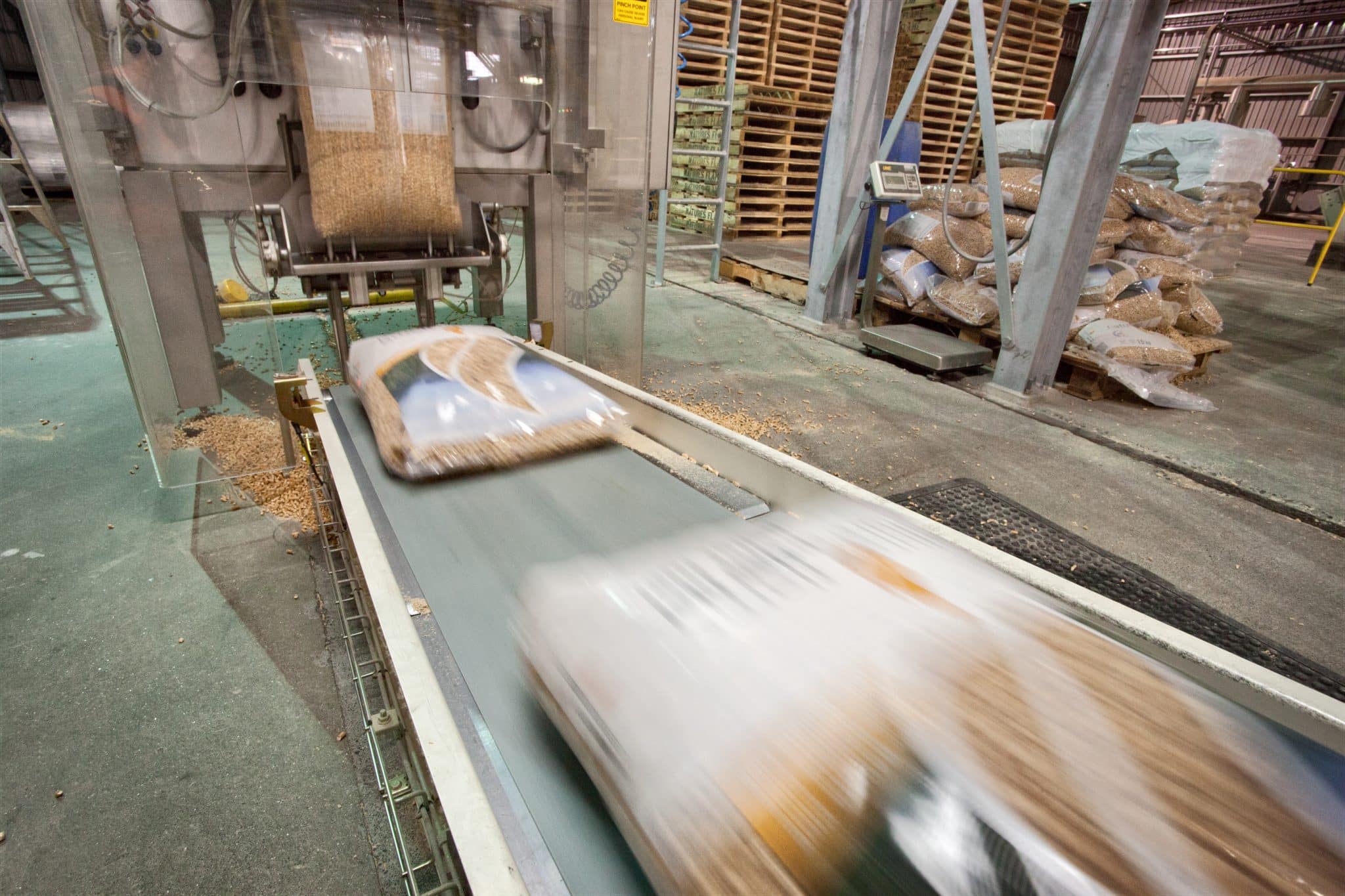
Protection from Global Energy Volatility
Geopolitical instability, shipping disruptions, and rising carbon prices are creating sustained upward pressure on coal, gas, and diesel. A long-term contract removes that exposure entirely. Your price is indexed to known factors. Your supply is local. Your risk is gone.
Get Ahead of Regulation
Wood pellets decarbonize New Zealand by replacing fossil fuels in industrial boilers, leveraging sustainable forestry waste to create a low-carbon energy source that is ETS-exempt. The switch to biomass also supports New Zealand exporters in meeting the stringent, high-value decarbonization requirements of their international customers. As regulatory and commercial pressure on emissions intensifies globally, organizations already on a supply agreement with us are ahead of the curve. If your international customers are asking about your emissions footprint, a biomass supply agreement is one of the clearest answers you can give them.
FAQ
Questions & Answers